

By Paul Freeman
What to expect from your new sofa
The big decisions have been made and delivery’s done – it’s time to relax and unwind on your swanky new DFS sofa. Exciting, right?
But just as you need time to settle into your favourite spot in front of the telly, your sofa needs time to settle into your space. Whether you’re sprawling out on a corner or kicking back with a luxurious leather recliner, you’ll see changes in your sofa as it becomes a little less straight-off-the-shopfloor, and a little more family home friendly.
Read on to find out what to expect from your sofa as it gets into the groove of your home, and discover our top tips and tricks to keep it looking its best.

Daily sofa care: the basics
Let’s face it: you’re too busy to spend all day plumping and preening your brand new sofa. Best intentions are one thing, but life’s hectic enough as it is – even more so with kids and pets in tow – and before you know it, the new 4 seater you promised you’d take care of has gone months unplumped.
Luckily, just five minutes of attention every day will help to keep your sofa in tip top condition. This is what we mean by minimal maintenance – the good news? It’s as easy as 1, 2, 3…

1. Plump
Naturally, your sofa will squish as you sit on it. This is especially true if you have a favourite spot, so remember to change where you perch every now and then – if you can drag yourself away from the best seat in the house!
Plumping your sofa’s cushions will help keep them in good shape, along with retaining your desired sink-in or supportive softness. Don’t be afraid to give it some welly, especially if your cushions are fibre; you should vigorously hit your sofa cushions from every angle possible to help spread the filling and get air back into the fibre. If your fibre-filled cushion covers unzip, you might even want to take a hands-on approach and manually separate the fibres inside. Remember, plumping is a style choice, too – plump to stuffed, full squares for a classic look, or chop your cushions in the middle for a finish that’s straight off the cover of Country Living.

2. Turn
Another top trick to keep your sofa looking fresh is to turn your removable sofa cushions daily. Some sofa cushions are fixed, which means they can’t be turned or rotated; for these sofa styles, we recommend you focus on smoothing (more on that below!) and plumping.
Turn your sofa cushions top-to-tail every day – before you go to bed, if that helps you remember – to distribute wear evenly and avoid the dreaded bum-print indent in your favourite spot. We also recommend rotating, or flipping, your seat cushions once a week, provided your sofa material covers both the top and bottom of the cushions. This doubles up as a great opportunity to run a brush under the cushions to catch any dirt or crumbs, too!

3. Smooth
Smoothing your fabric sofa is an essential part of keeping it looking its best, helping to reduce the appearance of natural puddling and creasing that can occur as your sofa is used.
You’ll have to embrace your inner Mr. Miyagi for this one. Lightly smooth your – clean and dry – hands over the seats of your sofa cushions, first out to the sides from the centre, then to the top and bottom. Finish by smoothing to each corner, and encourage looser fabric to ‘tuck’ down the sides and back of the cushion.
What will my sofa look like in six months?
Most of our sofas are made to order, with customisation options aplenty, which means your sofa is unique to you.
How your sofa will look and feel after it’s settled in your home will depend on what it’s filled with, what it’s covered with, and whether it boasts any extra reclining features.
Below, we’ve compiled some key considerations for different sofa types and how they adapt over time.

Foam-filled sofas
Typically, foam will lose a percentage of its initial fullness in the first six to twelve weeks in your home, though this can occur more quickly if your sofa’s getting plenty of action, but no more after that. As your foam filling softens, the fabric or leather upholstery of your cushions may appear looser, leading to light creasing or puddling. Smoothing daily will reduce the appearance of this natural change and keep your sofa looking smart and stylish.
Foam is an ever-popular sofa filling, loved for its low-maintenance comfort and bounce-back appeal. Despite its resilient nature, foam will naturally soften as you sit on it; this is a behavioural characteristic of the product, not a fault, quality, or upholstery care issue.

Fibre-filled sofas
When you say sink-in satisfaction, we think fibre interiors. Fibre-filled sofas require more maintenance than their foam counterparts to deliver a consistently cosy feel and appearance – it’s very important to plump your fibre cushions so they don’t appear lumpy or tired.
Just like foam, fibre will lose a percentage of its fullness – though less than its foam counterpart – as your sofa gets used to being sat on, which can lead to some creasing or puddling of your upholstery. Regular maintenance focusing on plumping the cushions and getting air back inside will reduce the appearance of this natural change.

Fabric sofas
A fabric sofa is classic comfort at its finest. Whether you choose soft chenille, luxurious velvet or cosy cord, you’ll see minor changes to the look of your fabric sofa in its first few months at home.
The fabric of your sofa may lightly crease or ‘puddle’ – when ripples of fabric form a circle on the seat – as your sofa cushions soften. But don’t panic! This is to be expected, and the appearance of these changes can be reduced by regular smoothing and plumping.
You might also see some pilling – or bobbling, just like you’d find on your favourite jumper – if your sofa is upholstered in a looser weave fabric, such as chenille or linen. Again, this is a completely normal characteristic of fabric, caused by the friction of bodies on your sofa bringing particles trapped inside the weave to the surface. After a while, these bobbles will drop off, but you can use a defuzzer or bobble remover to speed up the process if you’d prefer.
Remember: different fabrics will behave differently depending on their pile, nap and weave. Explore some of our most popular sofa fabrics in our trending materials hub, then read our full fabric sofa care guide for more information.


Leather sofas
The luxury of a leather sofa is timeless. Loved for its durability and heritage character, leather develops a patina (essentially, a naturally occurring thin sheen on the surface) over time and use, giving your sofa a unique, ‘lived-in’ feel.
Just like its fabric counterparts, you may notice some puddling or creasing on your luxuriously supple leather sofa as the upholstery stretches and settles. Expect to see this in the first four to six weeks of your sofa’s life – or even sooner if you’re doing plenty of sitting. Regular smoothing should help reduce the appearance of any creasing.
You might also notice subtle colour changes across your leather sofa in its first few months in your home. No need to start panic googling leather dyes – this is very common and another natural part of leather’s ageing process. Moisture, heat and oils from your body all contribute to developing your sofa’s patina, along with exposure to sunlight and away from heat sources, like radiators, to avoid rapid or uneven colour changes.
As a natural animal product, leather can be prone to cracking when dry and not maintained properly. We strongly advise choosing one of our helpful leather care kits – Cherished for coated leather, and Natural for non-coated leather – when purchasing your sofa, which contain specially developed sachets to clean and protect your leather. You should treat your sofa with a leather protector or conditioner as soon as it arrives as a preventative measure against staining, cracking and early wear-and-tear.
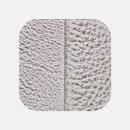
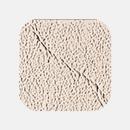
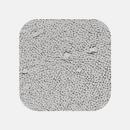
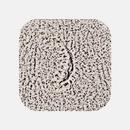
Remember: while we may associate leather with a sophisticated smooth look, natural markings on the material are inevitable and part of its inherent charm. That means the likes of grain variation, wrinkles, skin folds, scars, or patterns of original hair follicles are 100% natural, rather than a product of poor leather or quality.
Explore our full leather sofa care guide for more advice on leather sofas, chairs and footstools.



Recliner sofas
Ready to kick back with your feet up on your new recliner sofa? No lounging is quite as luxurious, especially after your sofa’s had time to settle in.
It’s important to keep in mind that reclining sofas and chairs feature metal mechanisms attached to the wooden frame, resulting in small ‘gaps’ where your furniture needs space to move. These sturdy, slimmer frames are essential to the inner workings of your kick-back comfort, but you may notice a little bit more softening of your cushions as a result. There may also be minor creaking as the frame of the sofa settles into its position on your floor; again, this is completely normal and not a product fault.
There are more moving parts to keep an eye on with a recliner than your average sofa. Be sure to take the time to read our motion furniture care advice and recliner sofa buying guide to put your best foot forward with your new piece.

Recliner sofa buying guide

Motion furniture buying guide
More key information
Aside from the above, there are a few crucial things to remember about any new sofa you introduce to your home:
• Some of our sofas feature a split base construction, meaning they break down into two pieces for ease of delivery and access to your home. When connected, this sectional furniture might have a small gap between pieces in the base that’s not noticeable through the cushions. If your sofa’s placed in front of a window, or if there’s a strong light source behind it, you might be able to see the silhouette of the gap through the furniture. This same consideration should be taken into account when buying a modular furniture, as small gaps may be noticeable where individual pieces are connected.
• If you’re treating yourself to a sofa with Bluetooth speakers or audio connection, ensure the device you’re connecting to is compatible with your sofa. Most up-to-date devices with Bluetooth capabilities will be compatible, but you can always ask our helpful in-store colleagues if you’re not sure.
• Some charging wires or devices may not be compatible with the USB/USB-C ports, wireless charging pads and Bluetooth speakers included in your furniture. To avoid melted wires or electrical fires, always research whether your device can be connected or charged safely via the furniture – you should be able to find this information on your device or in the information booklet received with your piece. Wireless charging points are made of plastic, so ensure no metal accessories are used that could become hot and cause damage to the platform.
• New sofas sometimes have a particular smell, caused by adhesives and processes used in the construction of furniture. This smell is completely harmless, self-fading, and should dissipate after a few weeks in your home, but you can speed up the process by ensuring your new sofa is in a dry, warm and well-ventilated room. Air purifiers and air purifying plants, like spider plants and ferns, can also help reduce the smell.
Want extra peace of mind as you use your sofa? Consider taking out a Sofacare plan when you buy your new sofa, offering protection against accidental damage and excessive wear for five years, along with a multi-point sofa health check after two years in your home.
Our frame guarantee
At DFS, we put over 50 years of experience and expertise into making sure you never need to use your guarantee. However, especially with a big investment like a sofa, it’s comforting to know that the frame and frame springs of every single new DFS sofa, sofa bed, chair, footstool and pet sofa are all covered for a full 15 years. That means there shouldn’t be any damage to your frame or frame springs within the first 15 years of your sofa’s life – and if there is, we’ll sort it out for you.
The first sofa company to be awarded the British Standard Kitemark™
DFS is the first sofa retailer and manufacturer to hold the domestic furniture BSI Kitemark™ for all sofas, sofa beds, and recliners, sold both online and in-store.
The BSI Kitemark™ recognises ‘outstanding quality, safety and trust’ across our products and services, meaning you can shop DFS sofas with confidence.

Caring for your sofa
Of course, the best way to ensure your sofa looks – and feels! – fantastic for as long as possible is to follow all care and cleaning advice carefully. Some natural changes are inevitable when it comes to your sofa settling in, but proper care and maintenance should reduce any unwanted effects.
Explore our comprehensive care hub for guides, tips and advice on caring for your new furniture.

Upholstery care guide

Special features care guide
Still got questions?
Check out our help hub with some of our customers’ most common conundrums, important questions, and ways to get in touch with us if you need some reassurance or technical help.


