
Bedding Care Guide
Looking for tips on keeping your duvet, pillows, mattress topper and bed linen in tip-top condition? We don’t blame you - great bedding doesn’t come cheap! Read on for our top tips on bedding care, so you can rest easy in a clean, comfy, cosy haven, night after night.
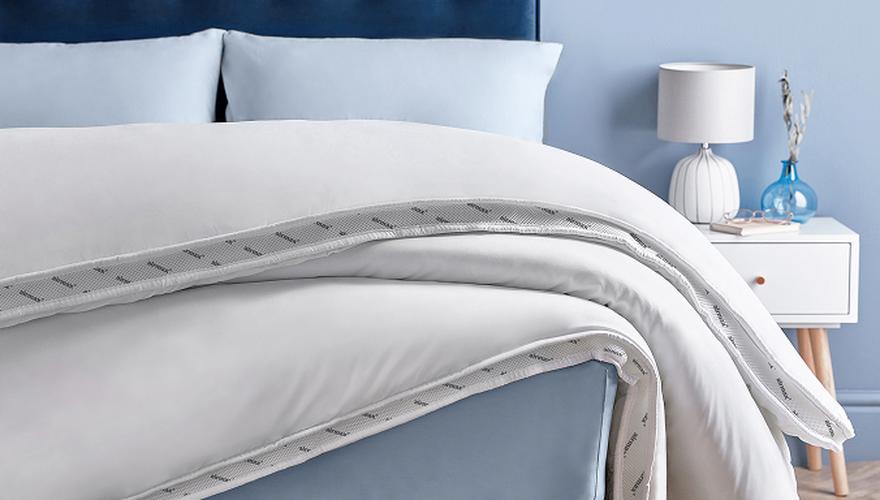
Why care for your bedding?
Most of us spend around a third of our lives in bed - and in direct contact with our bedding! All that rolling around, sweating, drooling (and whatever else you might get up to in bed) takes its toll on your sheets, duvet, pillows and mattress topper - and so does the machine washing and drying we do to make them feel fresh again! Taking the time to care for and maintain your bedding will not only reduce potential allergens like dust and bacteria, but help it to stay looking and feeling great for longer, meaning you can go on enjoying its benefits for many months to come.
What are the benefits of premium bedding?
While actually in bed, it’s our bedding that we’re in physical contact with - so while it’s important to have a sturdy, stylish bed, and a supportive, comfortable mattress; it’s equally key to have bedding that meets your needs too. Premium duvets, pillows, mattress toppers and bed linen can contribute a lot more than you’d think to a great night’s sleep - from improved temperature regulation to even anti-aging properties.
Comfortable, luxurious feel
From pillows that offer better support to the unmistakable crunch of feather and down - it’s easy to tell premium bedding from cheaper counterparts
Lasts longer
Feel like you’re constantly replacing floppy pillows? High quality bedding lasts much longer, so you get to enjoy it night after night
Rigorous safety testing
Purchasing premium bedding from a reputable brand gives you peace of mind that it’s safe for your family to use and enjoy
Holds up to cleaning
Our favourite bedding gets used and washed again and again, so it’s important for it to stand up to multiple rounds with the washing machine! Premium bedding is designed to do just that
May be hypoallergenic
Many premium bedding products are made from hypoallergenic materials, meaning they’re ideal for people who suffer with allergies and can even help to improve their health
Better temperature regulation
Always feeling too hot or cold at night? Premium duvets and mattress toppers can help improve airflow and temperature regulation to keep you at a comfortable temperature
Additional features to make sleep more comfortable
Did you know there are even bedding products that offer anti-aging properties, or are perfect to be used year-round? Amazing!

Silentnight Airmax range
Airflow & breathability

Silentnight cool touch wellbeing pillows
Pressure-activated cooling gel

Silentnight feather and down
Perfect for all seasons
How to care for your duvet
If you’re investing in a great quality duvet, it pays to take good care of it. The premium Silentnight duvet ranges we stock at DFS all come with a 5 year manufacturer’s guarantee, but if you follow our duvet care tips, yours may continue offering a great night’s sleep for much longer than that.
Duvet FAQs
What is the best duvet filling?
Generally the most luxurious duvet filling is feather and down, which has excellent heat retention properties as well as a satisfying crunch, and continues to keep you warm for years and years. However, feather and down duvets can be quite expensive, and are heavier than some other duvet fillings, so may not suit everyone. You may opt for a duvet with synthetic filling instead, especially if you want to take advantage of improved airflow or a lighter feel.
What size duvet should I buy?
Most people buy a duvet the same size as their bed - a double duvet for a single bed, a king size duvet for a king size bed, and so on. However, if you share with a known duvet-stealer, or like to be wrapped up in it like an Egyptian mummy; you could consider opting for a duvet one size larger than your bed size. When the bed is made, it will also hang down on each side of the bed, for a more luxurious look.
What are duvet togs?
A tog rating is a scale of measurement to describe how much heat a duvet retains, and can also be found on adult and child sleeping bags, baby pyjamas and even carpet underlay. Tog ratings range from 1 tog (coolest) to 15 tog (warmest), and the best one for you likely depends on your personal preference.
Do I need a different duvet for summer and winter?
That depends! Some duvets are more suited to particular seasons, so many people have a heavier winter duvet and a lighter summer duvet they swap over when the weather changes. However, there are now duvets designed to keep you cosy or cool all year round, which saves you the hassle of changing over - as well as having to store out-of-season duvets when not in use.
What duvet tog is best for all year round?
If you’re looking to only have one, a 10.5 tog duvet - specifically a feather and down duvet - is a great choice for all year round, keeping you cosy whatever the season. For the coldest days, you can always add an extra layer of blankets on top!
How often should I wash a duvet?
You should wash your duvet once or twice a year - any more risks damaging it unnecessarily and may shorten its life. Most duvets are now machine washable, however particularly for double, king size and super king size duvets, you may have trouble fitting them in your home washing machine, and may need to take them to your local launderette.
How to care for your pillows
Whether you double up or stick to one - there are few things more detrimental to a great night’s sleep than pillows that don’t quite cut the mustard. Read on for our care tips to keep your pillows fresh and bouncy, so you have the perfect place to rest your head.

Use pillowcases and pillow protectors
Just like your duvet, your pillows appreciate being protected from all that sweat and dribble at night by being encased in a nice, fresh pillowcase. You can also take it a step further and use a pillow protector inside your pillowcase - it’s a bit like a mattress protector, but for your pillows.

Fluff and reshape every day
Look, we get it - we know no-one wants to fluff their pillows every day. But it really does make a difference to their longevity! Giving yours a quick fluff and reshape every morning once you get out of bed could mean they last you much longer - and in the meantime, offer better head and neck support at bedtime too.

Machine or hand wash (if applicable)
These days, most pillows can be machine washed at home, and it’s a good idea to wash them every three to six months. This helps to prevent the buildup of sweat, dust and other allergens in the fibres or fillings. Don’t forget to check the care labels on your pillows to make sure you use the right settings on the washing machine.

Dry thoroughly in a dryer
If your pillows’ care labels say it’s okay, you can also dry your pillows in a tumble dryer to help them fluff up and regain some of their shape (and dry them faster, of course). It’s recommended to use dryer balls or tennis balls to help them spring back into their normal bouncy selves, and also to only tumble dry on a low heat.

Air out your pillows once a month
Just like your duvet, your pillows can benefit from an airing outside once a month. Hanging them on the line on a dry, sunny day can give them a fresh feel, as well as helping to remove any trapped moisture and odors.

Avoid eating in bed
Look, what you do in bed is your business. But your pillows will definitely thank you if you avoid dropping toast crumbs on them! Maybe decamp to the sofa instead - if you leave your pyjamas on, it’s almost the same vibe, right?
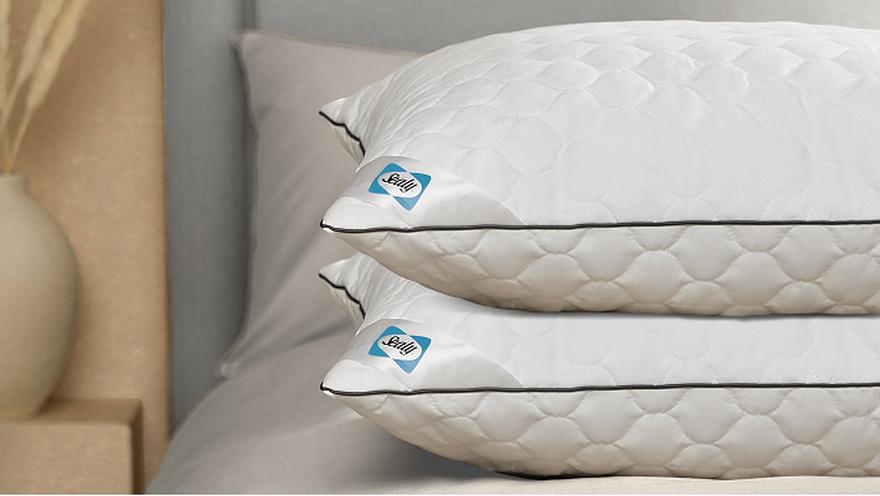
Replace pillows every one to three years
A quality pillow (or pair of pillows) should last you at least two or three years - in fact our pillows come with two year guarantees as standard. One to two years is recommended to maintain good support and hygiene, but some pillows - like feather and down - can still be providing good support at the three year mark. If you find your pillows are no longer offering the desired support, are losing their shape, have visible stains or yellowing, or seem to be exacerbating any allergies; then it’s likely time to replace them.
Pillow FAQs
How often should I change my pillows?
It’s recommended to change your pillows every one to two years to maintain good hygiene and comfort, but some premium pillows may last longer than this. However, if they’re no longer offering the same support, have visible stains or are exacerbating allergies, it’s probably time to switch out for new ones.
How many pillows should I use?
The number of pillows you use depends on how many you need to keep your head, neck and spine in neutral alignment. Many of us find two more comfortable, but much of the research says that one pillow is actually much better for spinal alignment.
Can I wash my pillows?
Yes, most pillows nowadays are machine washable. Check the care labels on your pillows, which will tell you the ideal temperature to wash them at, as well as how to dry them.
What is the best pillow filling?
Feather and down is a very popular luxury filling for pillows that lasts longer than synthetic fillings. Some people prefer memory foam pillows for a firmer feel.
What are the best pillows for side sleepers?
Side sleepers often need plumper, firmer pillows to effectively fill the gap between their head and the mattress, since their shoulder pushes them higher up off the bed than that of a back or front sleeper. A medium firm pillow is ideal for keeping their spine in neutral alignment.
What are the best pillows for neck pain?
To minimise neck pain, your pillow should effectively support your head at a level that keeps your spine in as straight a line as possible. Memory foam or latex pillows are often praised as good options to alleviate neck strain issues, but a synthetic or feather pillow can also do the same job, providing it is at the correct height.
How many pillows go on a king size bed?
A king size bed can easily fit two pillows side by side at the head end. For a fuller look and more cosy feel, you might like to double up and have four large pillows. Of course, you could have more than this if you’d like decorative pillows too!
How to care for your mattress topper
While they are pretty easy-breezy, mattress toppers last much longer if you take care of them - check out our top tips below to keep yours in the best condition possible.
Mattress topper FAQs
What is a mattress topper for?
A mattress topper is an additional layer you can add to your mattress to further personalise the comfort - with different options offering a softer feel, more support, or improved airflow, depending on which you choose. It’s a cost-effective way to change the feel of your mattress to suit your sleep preferences.
Do I need a mattress protector?
It’s not a necessity, but it can be super useful to have! A waterproof mattress protector will protect your mattress from sweat and other liquid spillages, and is much cheaper to replace than an entire mattress. Plus - it can easily be thrown in the washing machine!
How do I choose the mattress topper that’s right for me?
Once you’ve chosen the mattress topper that’s the right size for your mattress, it’s simply a matter of deciding what you want the mattress topper to do for you. Current mattress feeling too firm? Opt for a mattress topper with a softer, sink-in feel. Feeling too hot at night? A cooling mattress topper with improved airflow can help. Need more support? A memory foam mattress topper can help distribute weight between pressure points to help relieve aches and pains.
What is the best mattress topper for back pain?
People with back pain should look for a firmer mattress topper, possibly with memory foam or latex, to provide the right level of support to help relieve back pain. If you find yourself getting too hot at night, choosing something with cooling properties is also a good idea, as memory foam can feel quite hot.

How to care for your bed linen
Now you know how to care for your pillows, duvet and mattress topper - it’s time to go over how to care for your sheets, duvet cover, pillow cases and mattress protectors! These are probably the simplest things to care for, but will likely need the most regular maintenance, as they’re in direct contact with your skin.
Wash your bed linen weekly
Bed linen and towels can usually be washed at a higher temperature, which is better at killing bacteria - but before popping them in the wash at 60 degrees, be sure to check the care labels first.

Rebutton your duvet cover before putting it in the wash
Okay, this sounds silly - but have you ever found all your bed linen, towels and maybe even a stray sock or two hitching a ride inside the duvet cover after a wash? Save yourself the hassle of untangling everything by simply… re-buttoning your duvet cover before putting it in the washing machine. Trust us - it makes such a difference.
Dry your bed linen thoroughly before putting it back on the bed
For maximum hygiene and freshness, ensure your bed linen is thoroughly dried before putting it back on the bed - outside on the washing line if possible! A quick blast in the tumble dryer can also make sure your linens are nice and dry too.

Iron your bed linen… if you’d like to
Although some swear by it, it’s not strictly necessary to iron your sheets. While ironing your bed linen can give a crisp, hotel-style look, can offer a soft feel, help kill dust mites and bacteria, and even may extend the life of your bed linen by smoothing the fibres - it’s also time-consuming, and the crisp effect doesn’t last once you sleep in them. Some prefer the more relaxed look of un-ironed bed linen too. So do what feels right to you!
Bed linen FAQs
How often should I wash my bed linen?
For most people, bed linen should be washed every one to two weeks. If you sweat a lot at night, prefer not to wear pyjamas, don’t shower before bed, let your pets or children in bed, or do anything else that might cause extra mess, it’s recommended to wash your bed linen weekly.
What temperature should I wash my bed linen at?
The short answer is - the hotter the better, but always check the care labels on your bed linen. 60 degrees is amazing for killing bacteria, but not all bed linens will withstand this temperature wash.
What bed linen do hotels use?
Most hotels will opt for a high thread count Egyptian cotton, or cotton sateen, a 100% cotton weave which has a satin-like feel. Cotton-polyester blends are also popular as they combine a soft feel with practical durability, while being more affordable than 100% cotton. Whatever fabric they use, you may have noticed hotels tend to opt for plain white or off-white bed linens, rather than patterns. This looks both luxurious and offers peace of mind to customers that their bed linen is truly clean - as stains show up very easily on white bedding!
What bed linen is softest?
If you’re looking for soft bedding, there are quite a few options - it all depends on your personal preference, budget, and maybe what colours or designs you are looking for. Some great soft bedding options include:
- Egyptian cotton percale - long cotton fibres and high thread count, top-tier luxury but can be expensive
- Cotton sateen - silky feel due to the weave style, but made from 100% cotton
- Silk - unmistakable super-soft silky feel, but costly and texture might not be for everyone
- Polyester microfibre - budget-friendly and durable, but less breathable and may feel rougher
- Jersey - buttery soft and stretchy while being affordable, but prone to pilling and stretching over time
- Rayon - silky feel at a more affordable price, may be a more sustainable option
- Linen - may feel rough at first, but gets softer with every wash; a natural fibre but expensive
What bed linen is the most cooling?
For bedding that will keep you cool and fresh at night, opt for natural fibres such as cotton, linen, or bamboo. These all have better breathability thanks to the natural fibres.
How to care for baby and toddler bedding
While caring for baby and toddler bedding is similar to adult bedding, there are a few extra points to be aware of - both around hygiene and safety for little ones.
What is the best type of baby bedding?
Baby bedding is usually made up of two pieces - a fitted sheet and a sleeping bag or blanket. The fitted sheet should be sized correctly to the mattress and securely fitted. Sleeping bags are usually recommended for babies weighing 4kg and over (babies under 4kg can use cellular blankets) and come in different tog ratings for different times of year.
As for fabric choices, it’s best to go for something soft to protect babies’ sensitive skin - organic cotton is a popular choice, but soft cotton polyester blends are a more affordable and widely available option.
For more information on safe bedding for babies, check out the NHS article on safe sleep
What duvet tog should a toddler have?
Once your child is aged 12 months, you can consider switching them over to a duvet if you wish - although if they move around a lot at night, you can stick with a sleeping bag for a bit longer. Duvets for children younger than 3 should have a tog rating of no more than 3 or 4.5, to avoid them overheating.
How to care for kids bedding
As well as following the care tips for adult bedding included above, here are a few of our extra tips for caring for your older child’s bedding.

After any accidents, wash the bedding as soon as possible
Whether it’s a nighttime accident or a queasy tummy, make sure to remove and wash any soiled bedding as soon as possible, so the offending liquids don’t soak into your little one’s mattress, duvet or pillows. Having several spare sets of kids bedsheets is always a good idea!

Use a mattress protector on their bed
For extra protection against accidents, a mattress protector between the sheet and mattress is an investment you’ll be thankful for. Pillow protectors are a great idea too!
Wash their bed linen regularly
Even if they have bath time every night, kids’ bed linen gets just as dirty as ours does! Changing theirs as frequently as yours is a good schedule - especially if the cat or dog likes to get into bed with them too…
More advice for better sleep

Bed care guide

Mattress care guide


